

By Yu-Ching Huang, Researcher of NCKU Research and Development Foundation, Taiwan

While conducting research in Sandimen, Pingtung, Taiwan, I met Gui-Ying Guan, a Hakka woman from Hsinchu who married Yi-Hsiung Tu, a Rukai hunter. Yi-Hsiung wanted to return to his ancestral hunting grounds and rebuild the stone houses at Old Haocha, a place with remnants of Japanese-era school buildings. Though the tribe moved to New Haocha, it was later destroyed by a storm. Gui-Ying supported her husband’s decision to return to Old Haocha, a place without electricity or running water, where they lived self-sufficiently. To visit them, I hiked eight hours to reach this remote area, crossing the flooded New Haocha before finally arriving at their stone house.
Gui-Ying shares her story:
“I’m from Hsinchu and came to Pingtung for an ecological camp. Yi-Hsiung, a hunter, led us up the mountain, and we started connecting. Although his biological father had noble status, he identified more with his stepfather and lived as a hunter in Haocha.
In the Rukai tribe, hunters aren’t highly respected. Every time we went down the mountain, we brought game, but it was taken for granted. At weddings, Yi-Hsiung hunted a large wild boar to meet the custom of slaughtering a pig for the tribe.
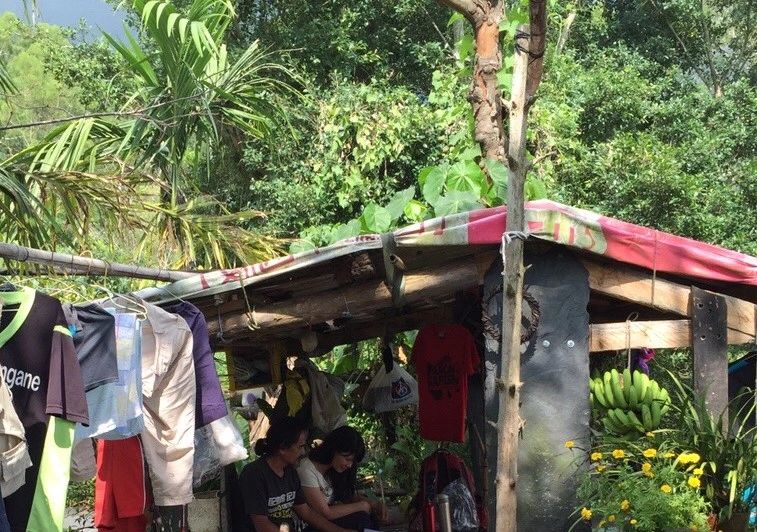
My parents passed away early, so there was no opposition when I chose to marry him. We both loved nature and wanted to preserve its beauty. We lived simply, cooking with firewood and using spring water. We could tell the time by observing the clouds and mist, living in harmony with nature.
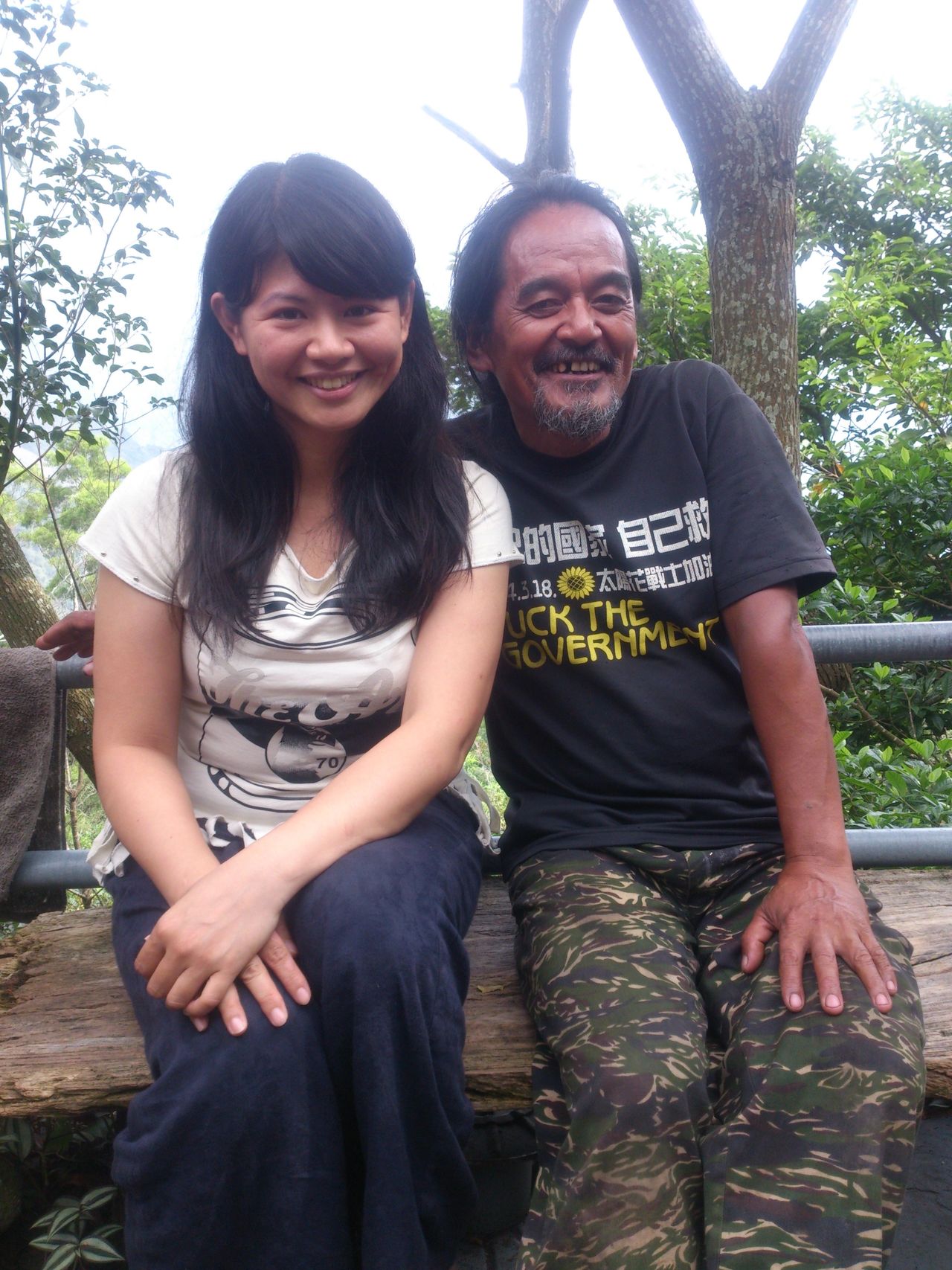
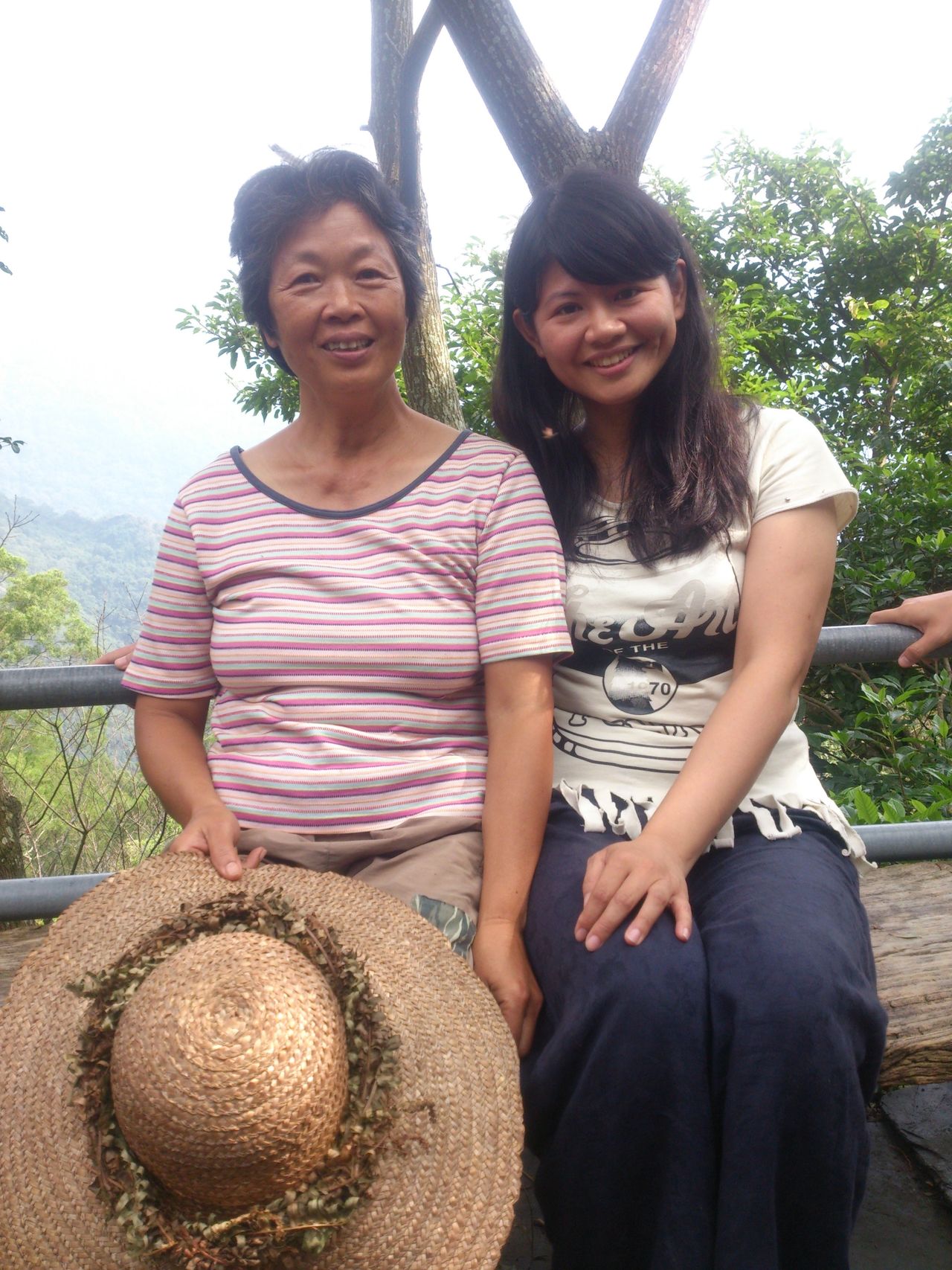
When Yi-Hsiung decided to rebuild the stone houses, I supported him. We’re now the only ones living in Old Haocha. Though the tribe hosts annual return-to-roots events, they often neglect the area afterward. We want to protect the land and avoid harmful practices like herbicide use. We’ve decided to stay here, guarding our ancestors’ land, and when we can no longer descend, we’ll pass peacefully, forever in the embrace of the land.”
 English
  Chinese